The Downtown Effect: Why Families Keep Choosing the Tri-Valley
There is something happening in the suburbs, and it is not just about homes.
It is about belonging.
Last weekend, Pleasanton closed down Main Street for The Longest Table. The idea was beautifully simple: one long table, neighbors sitting side by side, sharing a meal in the heart of downtown. They expected 1,000 people. It sold out almost immediately. They added 500 more seats. All 1,500 filled.
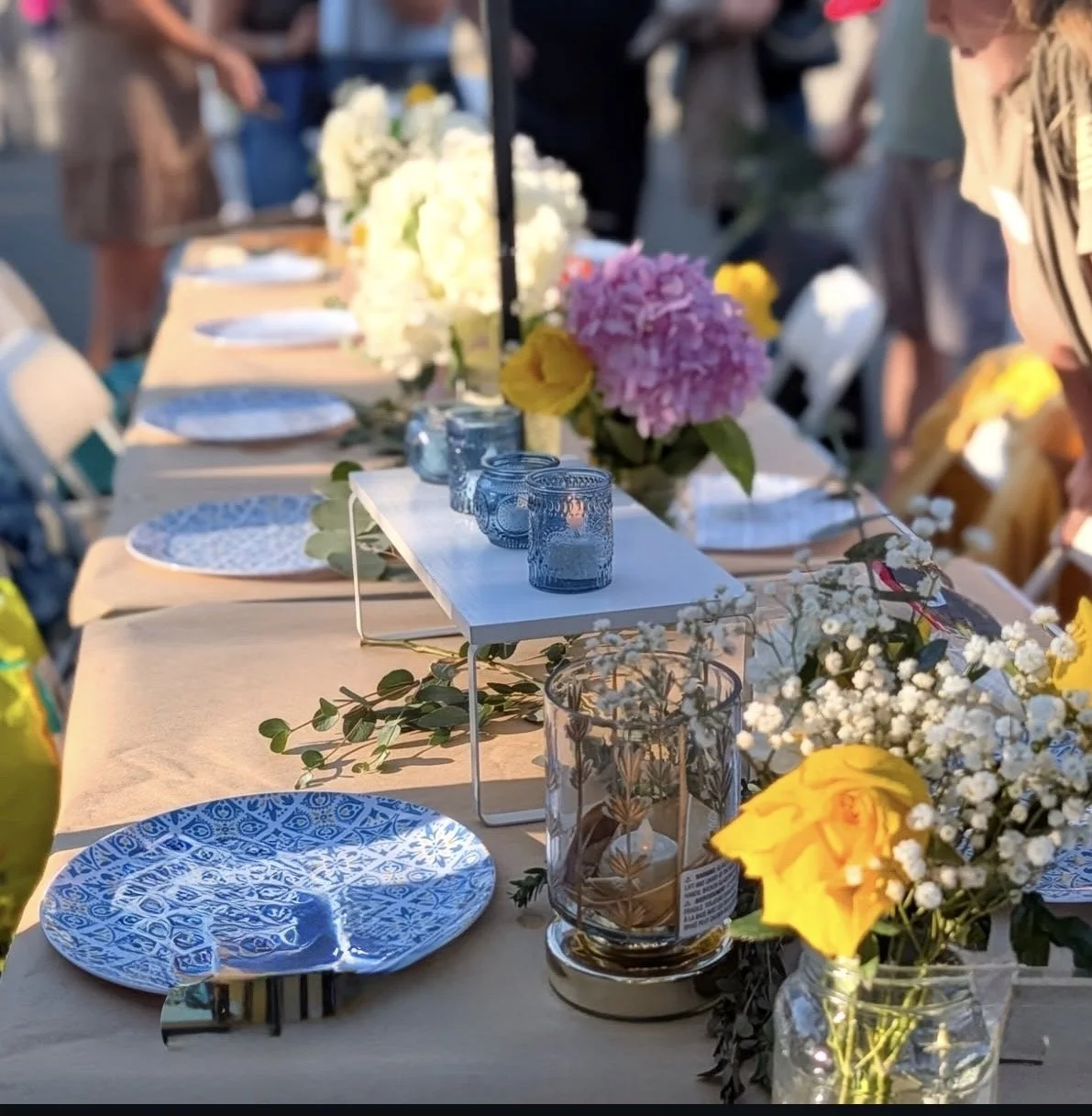
Pleasanton’s Longest Table 2026 | Free registration for the first 1000 participants. That sold out within a few days and another 500 slots were added. The table stretched over a quarter mile down Main Street
I stood there thinking: this is exactly why we never left.
My husband commuted to Santa Clara for years. We could have moved closer to his office at any point. But Pleasanton offered something Silicon Valley never could: room to breathe, a real downtown, and the kind of community that actually shows up for itself. We chose to stay, and we have never once regretted it.
My daughter felt the same pull. She and her husband chose Livermore to raise their family. Many of her high school friends ended up there too. That does not happen by accident. It happens because a place earns it.
What the Tri-Valley Has That Is Hard to Find
Pleasanton and Livermore sit tucked between San Francisco and San Jose in the East Bay's Tri-Valley region. From the outside, they look like suburbs. Up close, they feel like towns with real identities, real history, and real community life.
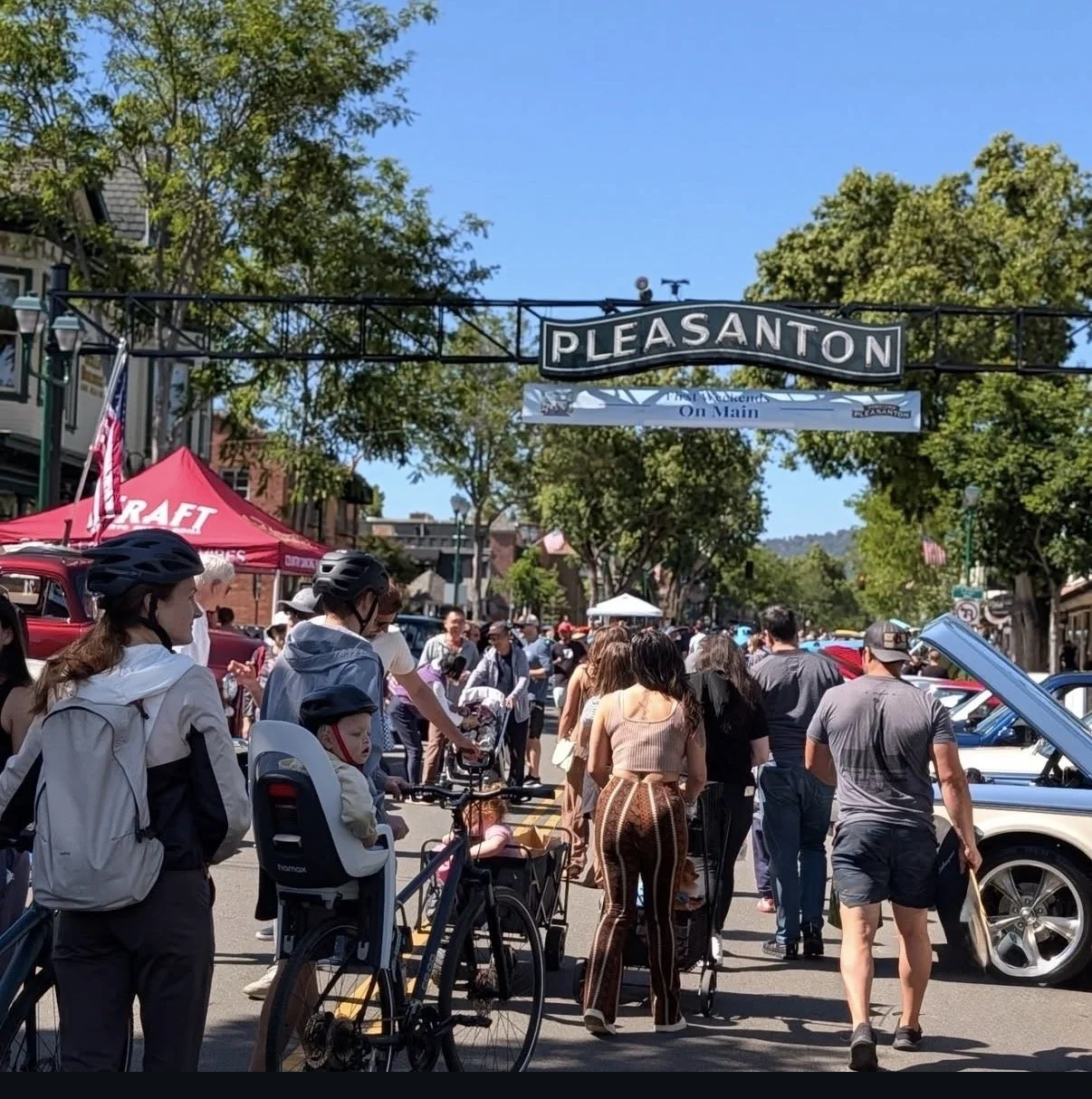
Pleasanton's Main Street is not just a place to grab dinner. It is where families show up for car shows, farmers markets, holiday parades, summer concerts, and community celebrations like The Longest Table. It is where you run into people you know. Where local businesses have regulars. Where the sidewalks actually have people on them.
Livermore has its own version of that. This week the city celebrates its 108th Livermore Rodeo, a tradition rooted in western heritage and local pride that has been going strong since 1918. The Rodeo Parade rolls through downtown on Saturday morning, free and open to everyone. Downtown Livermore leans into the whole week with events like Denim and Diamonds, a western-themed evening of shopping, dining, and line dancing that fills the streets with energy and hometown spirit.
These are not just fun weekends. They are the building blocks of a community that people choose, return to, and stay in.
Buyers Are Noticing
This shift is showing up in the data too. According to a 2025 National Association of Realtors survey, 79 percent of homebuyers rate walkability as important and 78 percent say they would pay more for it. Among younger buyers the numbers are even stronger: 90 percent of Gen Z and millennial buyers want to live in a walkable community, and roughly one in three say they would pay significantly more to get it.
Researchers call it the third place effect. Home is the first place. Work is the second. The third place is where community actually happens: the coffee shop, the weekend market, the downtown plaza, the street fair. Studies confirm that access to these spaces is directly tied to happiness, belonging, and a sense of being rooted. A 2025 research paper found that the presence of walkable local businesses and public gathering spaces is directly associated with neighborhood housing values. The feeling of a town is not just quality of life. It shows up in what homes are worth.
RE/MAX has documented the same trend. Buyers who lived in the city and are now moving to the suburbs are specifically looking for communities that replicate that walkable, local feeling. They are not willing to trade their coffee shop and farmers market for a longer commute and a bigger garage. They want both. The Tri-Valley is one of the few places in the Bay Area that actually delivers both.
What This Means If You Are Thinking About Buying or Selling
As a real estate agent in the Tri-Valley, I pay close attention to what makes buyers choose a place and what makes them stay.
A beautiful kitchen matters. A great floor plan matters. Schools, commute times, and neighborhood amenities all matter.
But so does the feeling of a town.
When buyers ask me about Pleasanton, Livermore, Dublin, or San Ramon, they are often asking a bigger question underneath: can I see myself living here? Can I picture my kids growing up here? Will I feel connected to this place?
Vibrant downtowns help answer those questions before a word is spoken.
The Tri-Valley has always had strong fundamentals: excellent schools, beautiful neighborhoods, and a quality of life that is genuinely hard to match in the Bay Area. But what Pleasanton and Livermore have built in their downtowns goes beyond fundamentals. It is a sense of place. A reason to show up on a Saturday morning. A feeling that the town itself is alive and that you are part of it.
That is not something that gets built overnight. It gets earned over generations, through traditions like the Rodeo Parade, moments like The Longest Table, and the daily rhythms of farmers markets, local restaurants, and neighbors who actually know each other.
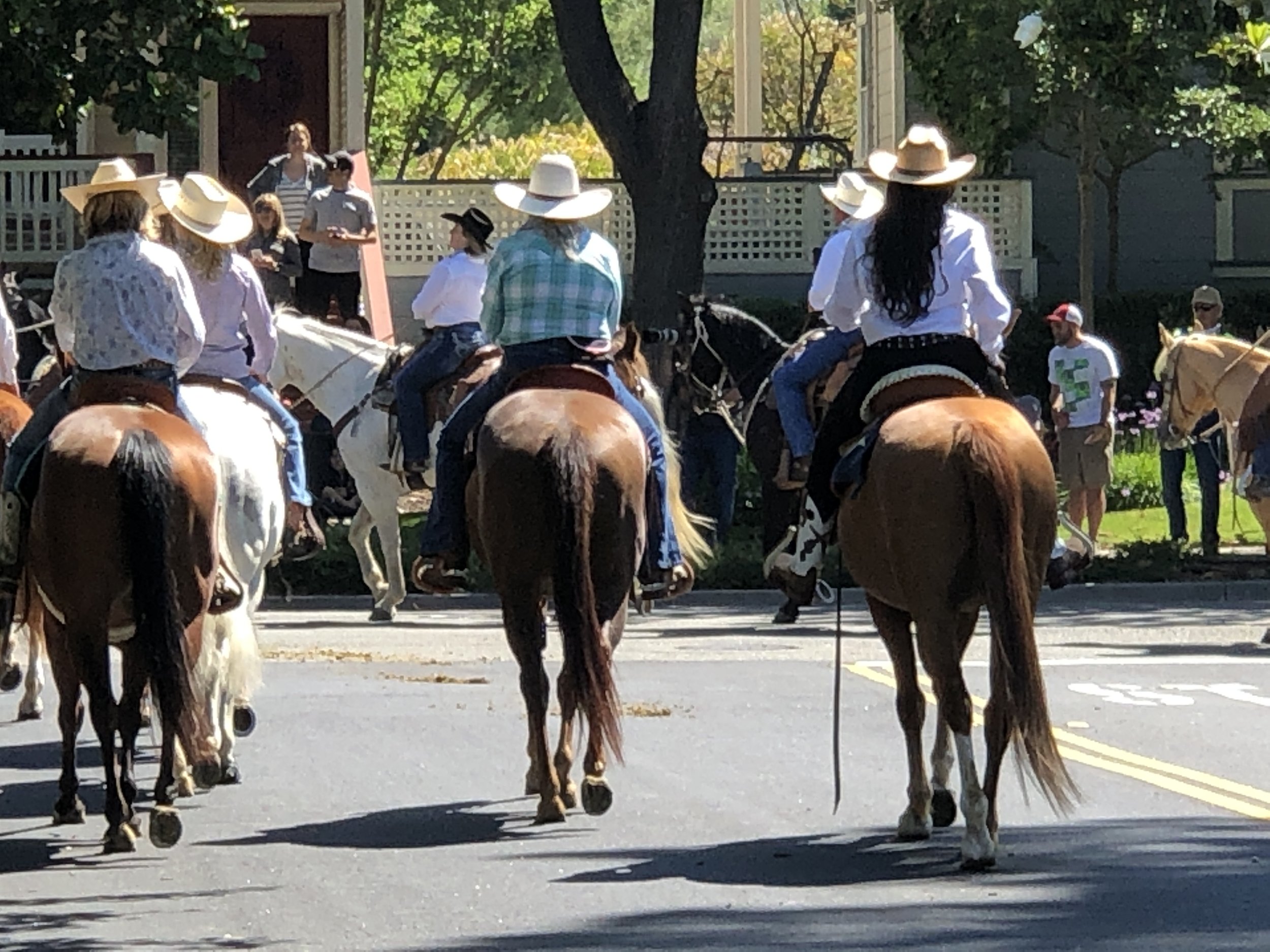
Livermore’s Rodeo Parade | In 2026 Livermore Rodeo will be celebrating its 108th year
If you are thinking about buying or selling in the Tri-Valley and want to understand what the market looks like right now, I would love to have that conversation.
Patty Recupero REALTOR® | Elation Real Estate | CA DRE 02112275 Serving Pleasanton, Livermore, Dublin, San Ramon, and Danville
Research sourced from National Association of Realtors, Realtor.com, Urban Institute, and academic work on third places and housing values.